Many people hear phrases like “focus on the good” and feel frustrated.
Because when life is stressful, emotional, or overwhelming, focusing on the good can feel fake — or even impossible.
But neuroscience shows us something important:
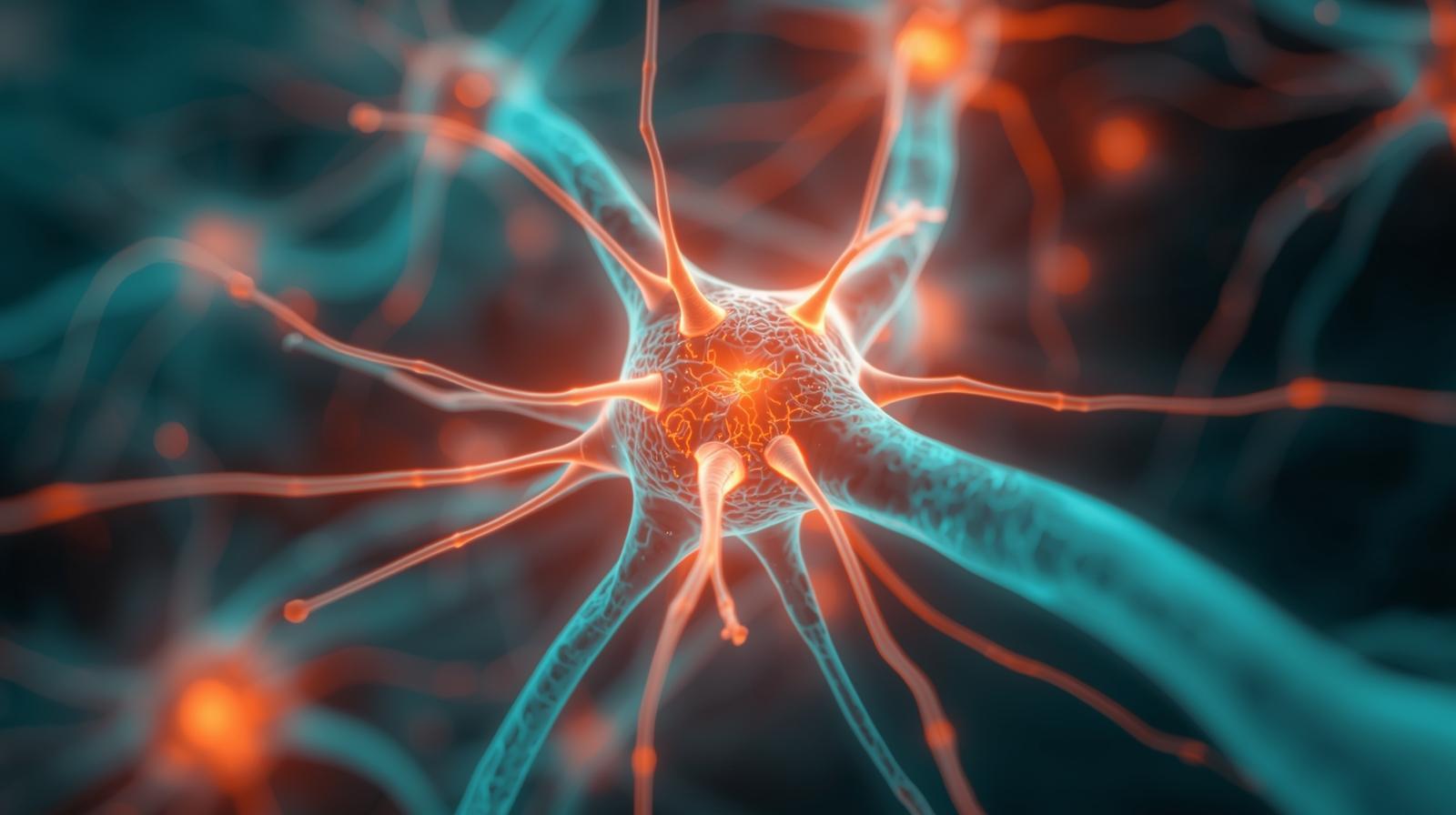
Your brain changes based on what it experiences repeatedly.
Not through forcing positivity.
Not through ignoring pain.
But through gentle, consistent awareness.
Your brain is not fixed.
It’s constantly learning.
Every time you:
- Think a thought
- Feel an emotion
- React to a situation
your brain strengthens the pathways connected to that experience.
Think of it like walking through grass:
- The more you walk one path, the clearer it becomes.
- Paths you don’t use slowly fade.
This ability of the brain to change is called neuroplasticity.
The human brain evolved to protect us.
That means it naturally pays more attention to:
- Danger
- Problems
- What could go wrong
This is called the negativity bias — and it’s not your fault.
But when stress becomes constant, the brain can get stuck in survival mode:
Always scanning for problems, even when you’re safe.
When you gently notice moments like:
- A calm breath
- A supportive conversation
- A feeling of relief or gratitude
your brain receives a signal:
This matters. This is important. Remember this.
Over time:
- The brain becomes faster at noticing similar moments
- Calm and safety feel more familiar
- You respond instead of constantly reacting
This doesn’t erase challenges — it balances the brain.
Focusing on the good does notmean:
- Ignoring pain
- Forcing happiness
- Telling yourself everything is fine
Instead, it means:
- Allowing good moments to fully land
- Letting your nervous system experience safety
- Giving your brain new reference points
You can hold both:
hard moments and supportive moments.
You don’t need to meditate for hours.
Try this:
- Pause once today
- Notice one small thing that feels okay or supportive
- Stay with it for 10–15 seconds
That’s it.
This gives your brain time to register the experience — which is how change happens.
When your brain learns to recognize safety and possibility:
- Decisions feel clearer
- Stress feels more manageable
- You respond with intention instead of survival reactions
This is the foundation of lasting change.
Not pressure.
Not perfection.
But understanding how your brain actually works.
At Verve and Thrive, we believe transformation begins in the brain — gently, safely, and one experience at a time.
Your brain is not broken.
It’s adaptable.
And it’s always learning from where you place your attention.